
Last Updated on December 31, 2025 by Rida Hamid
What are Smart Equipment Monitoring Solutions?
Smart equipment monitoring solutions leverage advanced technologies like IoT, AI, and data analytics to provide real-time insights into equipment performance. These systems collect data from various sensors installed on machinery, analyze it, and deliver actionable information to improve efficiency and prevent failures.
Importance and Benefits of Smart Monitoring
In today’s fast-paced industrial environment, the reliability and efficiency of equipment are critical. Smart monitoring solutions help businesses achieve optimal performance, reduce downtime, and enhance maintenance strategies. These benefits lead to cost savings, increased productivity, and prolonged equipment lifespan.
Overview of the Blog Post
This post will explore the evolution, components, benefits, applications, and future trends of smart equipment monitoring solutions. We will also discuss implementation strategies, challenges, and real-world case studies to provide a comprehensive understanding of this transformative technology.
The Evolution of Equipment Monitoring
Traditional vs. Smart Monitoring
Traditional equipment monitoring relied on manual inspections and periodic maintenance schedules, which often led to reactive maintenance. Smart monitoring, on the other hand, uses continuous data collection and analysis, enabling proactive and predictive maintenance.
Key Milestones in Monitoring Technology
Significant advancements in monitoring technology include the development of sensor technology, the advent of IoT, and the integration of AI and machine learning for predictive analytics. These milestones have transformed equipment monitoring from a manual process to an automated, intelligent system.
Current Trends in Smart Monitoring
Current trends include the adoption of cloud-based monitoring solutions, the use of big data analytics, and the integration of edge computing to process data closer to the source. These trends are driving more efficient and scalable monitoring solutions.
Key Components of Smart Equipment Monitoring Systems
Sensors and IoT Devices
Sensors are the cornerstone of smart monitoring systems, capturing data on various parameters like temperature, vibration, and pressure. IoT devices enable these sensors to communicate with centralized systems, providing real-time data flow.
Data Collection and Transmission
Data collection involves gathering information from sensors and transmitting it to central servers or cloud platforms. This process ensures continuous monitoring and timely data availability for analysis.
Data Analytics and Machine Learning
Advanced data analytics and machine learning algorithms process the collected data to identify patterns, predict failures, and optimize performance. These technologies transform raw data into actionable insights.
User Interfaces and Dashboards
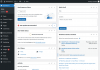
User interfaces and dashboards present the analyzed data in an accessible and intuitive format. They provide real-time visualizations, alerts, and reports, enabling quick decision-making and effective monitoring.
Benefits of Smart Equipment Monitoring
Improved Operational Efficiency
Smart monitoring solutions streamline operations by providing real-time insights and automating routine tasks. This leads to enhanced productivity and reduced manual intervention.
Enhanced Predictive Maintenance
By predicting equipment failures before they occur, smart monitoring systems reduce downtime and maintenance costs. Predictive maintenance extends the lifespan of equipment and ensures uninterrupted operations.
Increased Equipment Lifespan
Continuous monitoring and timely maintenance help prevent wear and tear, thereby extending the operational life of machinery and reducing the need for replacements.
Reduced Downtime and Costs
Smart monitoring solutions minimize unexpected breakdowns and associated costs. This proactive approach leads to significant savings in repair expenses and lost productivity.
Applications of Smart Equipment Monitoring
Manufacturing Industry
In manufacturing, smart monitoring optimizes production lines, reduces machine downtime, and enhances product quality by maintaining consistent equipment performance.
Healthcare Sector
Smart monitoring ensures the reliability of critical medical equipment, improves patient care, and reduces the risk of equipment failure during medical procedures.
Energy and Utilities
In the energy sector, smart monitoring helps maintain the efficiency of power plants, reduces operational costs, and ensures the reliable delivery of energy.
Transportation and Logistics
Smart monitoring in transportation enhances fleet management, reduces maintenance costs, and improves the safety and reliability of vehicles.
Construction Industry
In construction, smart monitoring ensures the proper functioning of heavy machinery, reduces downtime, and enhances safety on construction sites.
Key Technologies Enabling Smart Monitoring
Internet of Things (IoT)
IoT connects sensors and devices, enabling them to communicate and share data in real-time. This connectivity is the backbone of smart monitoring systems.
Artificial Intelligence and Machine Learning
AI and machine learning analyze data to predict failures, optimize maintenance schedules, and improve overall equipment performance.
Cloud Computing
Cloud computing provides scalable storage and processing power for the vast amounts of data generated by smart monitoring systems.
Big Data Analytics
Big data analytics processes and interprets large datasets, uncovering valuable insights that drive informed decision-making and operational improvements.
Edge Computing
Edge computing processes data near the source, reducing latency and bandwidth usage. This technology is crucial for real-time monitoring and immediate responses.
Implementing Smart Equipment Monitoring Solutions
Assessing Needs and Setting Goals
Before implementation, assess your specific needs and set clear goals for the monitoring system. This ensures that the solution aligns with your business objectives.
Selecting the Right Technology
Choose technologies that fit your requirements and budget. Consider factors like compatibility, scalability, and ease of integration with existing systems.
Integration with Existing Systems
Integrate smart monitoring solutions with your current infrastructure to ensure seamless data flow and operational efficiency.
Training and Change Management
Provide training to staff and manage the transition to smart monitoring to minimize disruptions and maximize adoption.
Continuous Monitoring and Improvement
Regularly evaluate the performance of the monitoring system and make necessary adjustments to enhance its effectiveness and reliability.
Challenges and Considerations
Data Security and Privacy Concerns
Protecting sensitive data from cyber threats is a critical concern. Implement robust security measures to safeguard data integrity and privacy.
Initial Cost and ROI Calculation
The initial investment in smart monitoring solutions can be high. Calculate the potential ROI to justify the expenditure and ensure long-term benefits.
Scalability and Flexibility
Ensure that the monitoring solution can scale with your business and adapt to changing needs and technological advancements.
Technical Expertise and Support
Access to technical expertise and reliable support is essential for the successful implementation and maintenance of smart monitoring systems.
Case Studies and Success Stories
Manufacturing Case Study
A manufacturing plant reduced downtime by 30% and increased production efficiency using smart monitoring solutions.
Healthcare Case Study
A hospital improved patient care and reduced equipment failures by implementing a comprehensive smart monitoring system.
Energy Sector Case Study
A power plant optimized its operations and reduced maintenance costs by integrating smart monitoring technologies.
Future of Smart Equipment Monitoring
Emerging Trends and Innovations
Future trends include the use of AI-driven analytics, enhanced connectivity through 5G, and the integration of augmented reality for maintenance support.
Potential Impact on Various Industries
Smart monitoring will continue to revolutionize industries by driving efficiency, reducing costs, and enabling more sustainable practices.
Long-Term Benefits and Outlook
The long-term benefits of smart monitoring include increased equipment reliability, improved operational performance, and greater competitive advantage.
Main Key Takeaways
Summary of Key Points
Smart equipment monitoring solutions provide significant benefits across various industries by improving efficiency, enabling predictive maintenance, and reducing costs.
Actionable Insights for Businesses
Businesses should assess their specific needs, choose the right technologies, and implement smart monitoring solutions to stay competitive and achieve long-term success.
FAQs
The primary advantage is improved operational efficiency and reduced downtime through real-time data analysis and predictive maintenance.
Smart monitoring uses data analytics and machine learning to predict equipment failures before they occur, allowing for timely maintenance and reducing unexpected breakdowns.
While the initial cost can be high, the long-term savings from reduced downtime, maintenance costs, and increased equipment lifespan typically justify the investment.
Yes, smart monitoring solutions can be tailored to meet the specific needs and challenges of various industries, from manufacturing to healthcare.
Implementing encryption, secure access controls, and regular security audits are essential measures to protect data integrity and privacy in smart monitoring systems.